The Women of Lozenets – The Past Meets the Present
Video, music and space in a single immersive experience dedicated to three women from the history of Lozenets. Artificial intelligence "revives" their images and voices — presented through an artistic reading drawn from real archives.
The project brings together video, music and space in a single immersive experience dedicated to three women connected to the history of Lozenets.
The history of a city is not preserved in its buildings, streets and archives alone. It lives in people too — in their lives, their choices and the ways they changed the world around them. That idea lies at the heart of “The Women of Lozenets – The Past Meets the Present” — an audiovisual experience combining film, music, photography, architecture and new technology to tell stories that fell outside the conventional historical account.
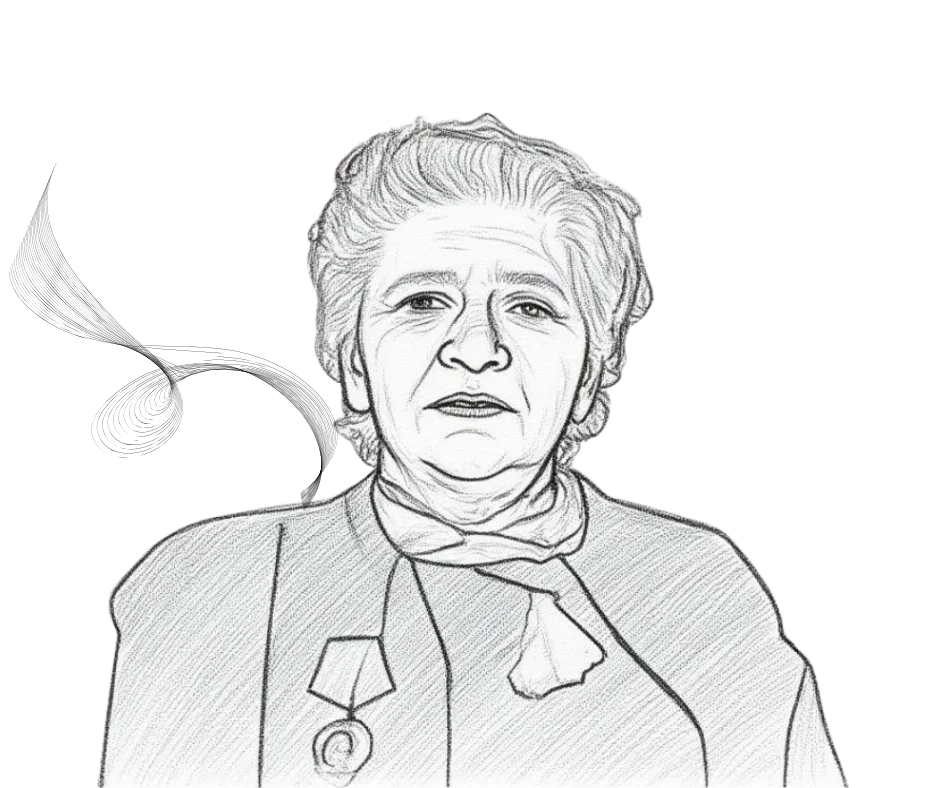
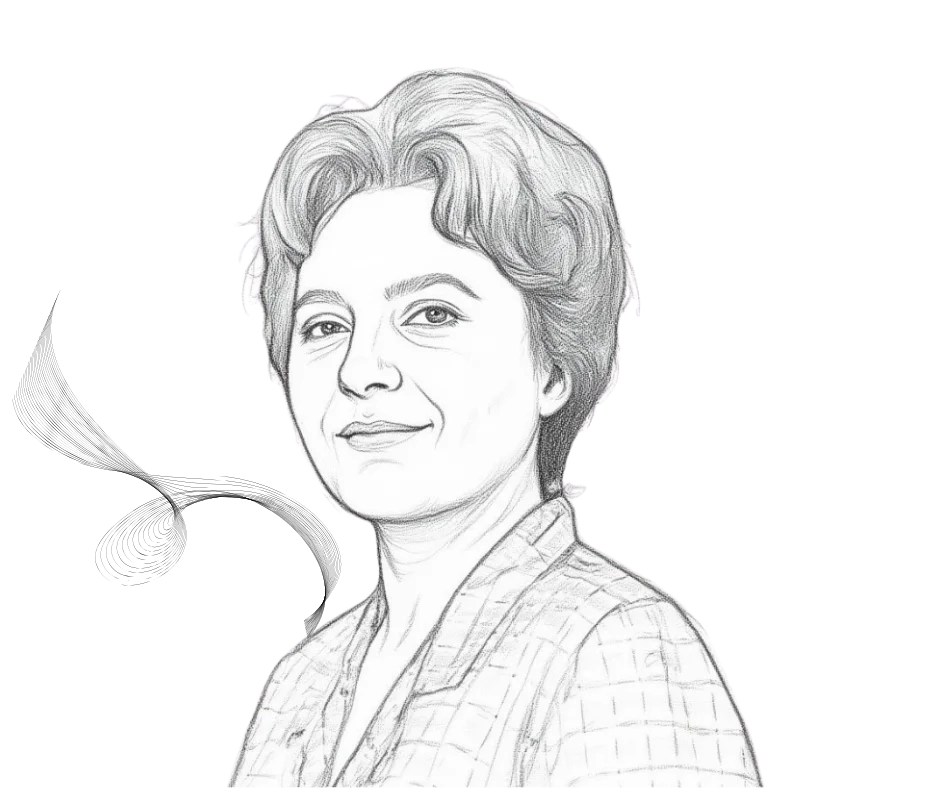
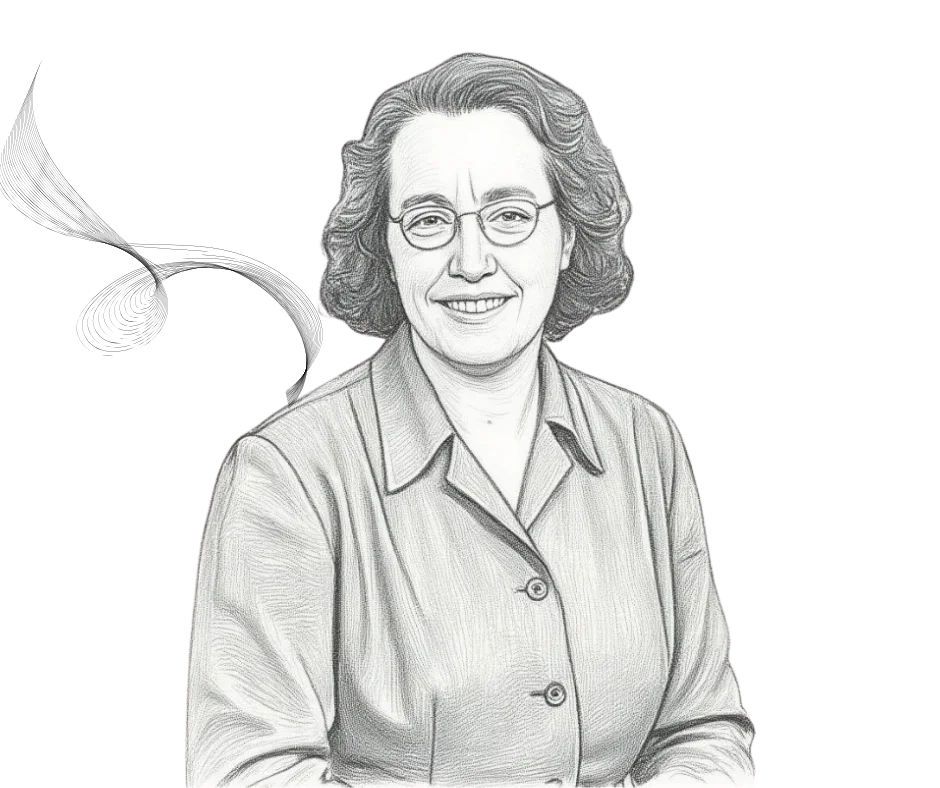
The project centres on three women connected to the history of the Lozenets district and to the cultural memory of Sofia. Drawing on archive documents, photographs, publications and real biographical facts, their images have been recreated using artificial intelligence. This is not an attempt to reproduce history literally, but an artistic interpretation that uses contemporary technology as a way of telling the past. The viewer does not simply learn historical facts; they meet people whose voices seem to find a place in the city once more.
The project’s central idea is that cultural heritage is not static memory. It can be experienced anew when tradition and technology work together. Artificial intelligence here does not replace history but becomes a means of understanding it more deeply — a bridge between generations that lets the past speak in the language of the present.
The script and the artistic interpretation of the stories are the work of Boryana Neykova, who turns archive records into intimate human narratives. Instead of biographical summaries, the film offers an encounter with emotions, memories and inner monologues that make these figures feel like contemporaries.
The concept and the editing were developed by Maria Tchakarova, who shaped the overall dramaturgy of the project. The cinematic narrative, the visual language and the spatial experience were conceived as a single whole, in which the individual elements complement one another and lead the audience through different layers of memory.
But the experience does not end with the screening…
The premiere at The House of Sofia — the home of the great Bulgarian actress Adriana Budevska, today a space for culture and exhibitions — made the venue itself part of the story. The choice of building was no accident. The architecture, the interiors and the historical atmosphere carry visitors naturally back to the early twentieth century and turn the space into a living set for the stories, where Adriana Budevska herself tells her own story.
The event was conceived as a complete immersion in the spirit of the era.
From the moment they entered, guests found themselves in a setting that drew them out of the everyday. The photography exhibition “The Women of Lozenets Today”, shot by Bebo Halvadzhiyan and Yavor Konstantinov, presented the contemporary faces of the district. Past and present stood side by side — not as opposites, but as the natural continuation of one and the same story.
Between the filmed narratives of the women of the past, the pianist Niki Zahariev performed his own compositions live: “Mother Land”, “Bulgarian Spirit” and “A New World with Love”. The music was not a backdrop but a narrator in its own right — a moment for reflection, a pause between the stories and an emotional thread connecting them.
Even the smallest details served the idea of a complete experience. The atmosphere, the interiors and the retro catering were chosen with care to recreate the feeling of the period. The aim was not simply to stage a cultural event, but for visitors to feel, if only briefly, that they had stepped across the threshold into another time.
At the heart of the project lies the conviction that history is not made up of great events and famous names alone. It is built by the people whose work, talent, care and everyday choices shape the character of a place. Women have always been part of that process — as artists, intellectuals, public figures, mothers, entrepreneurs and keepers of cultural memory. Their stories are often less told, although they are inseparable from the development of society.
The history of Lozenets was made by women and men alike, by the families, neighbours, teachers, artists, architects and entrepreneurs who together shaped the character of the district. When we tell the stories of some, we are in fact completing the shared account of all.
This is why the project “The Women of Lozenets – The Past Meets the Present” is not only a look backwards. It is an invitation to consider what stories we are leaving behind today. What will future generations say about our time? Whose faces will remain in the memory of the district? And how can we use new technology not to replace the past, but to help us understand it better?
This project is part of The Face of Sofia‘s mission to preserve the cultural memory of the capital through contemporary forms of storytelling — ones that bring archives together with art, technology with human stories, and historic spaces with the life that continues to fill them.
Because a city is not simply a collection of buildings.
A city is memory.
And memory comes alive when there is someone to tell it.

The Women of Lozenets
Adriana Budevska, Irina Taseva and Penka Kasabova — three women whose stories are woven into the history of the Lozenets district. Presented through an AI-generated audiovisual journey.
The videos we produce are an artistic interpretation, generated with the help of artificial intelligence. They do not claim full historical authenticity and are created by The Face of Sofia association.